Silicon Geologies
Images made with artificial intelligence.
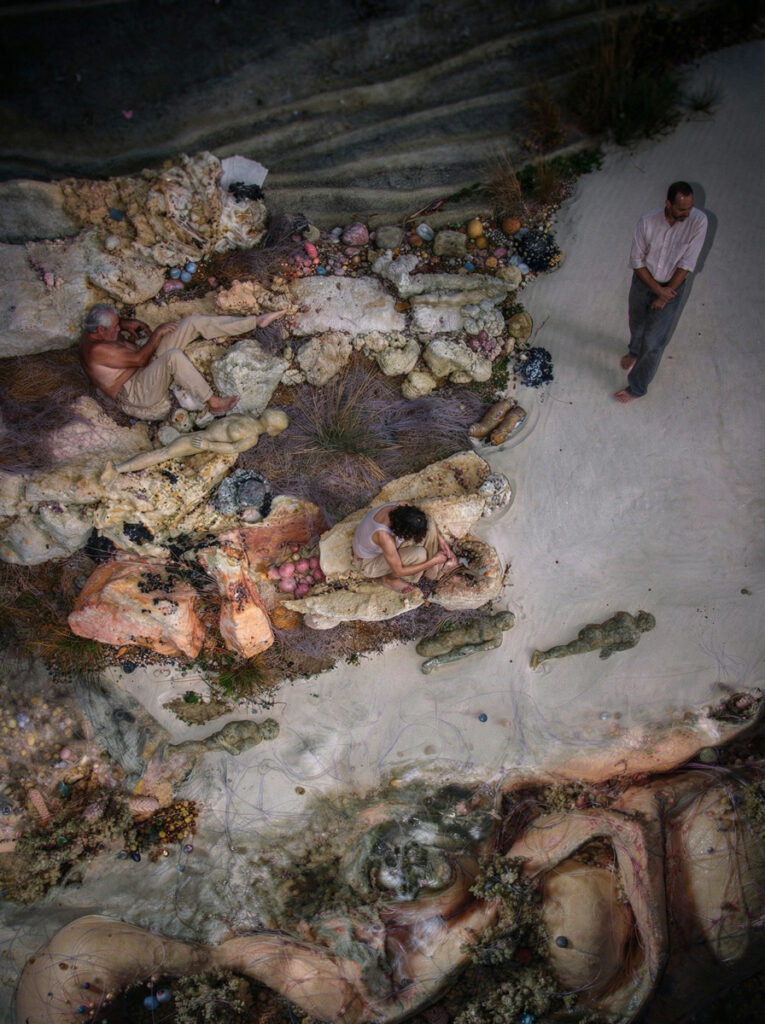
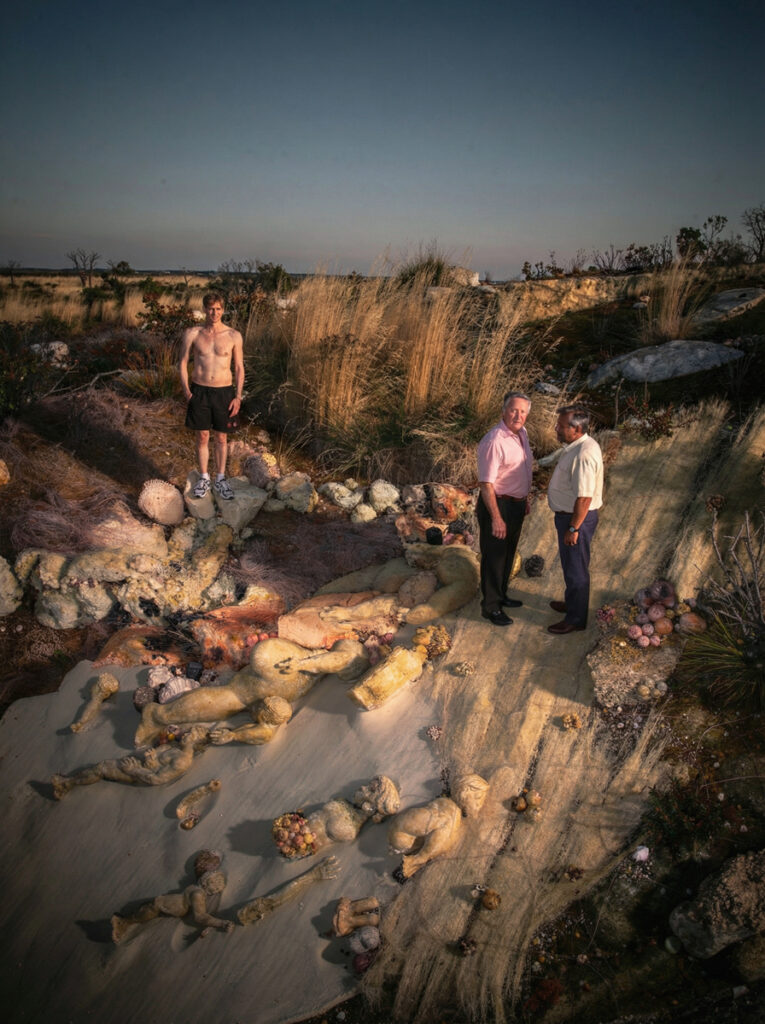
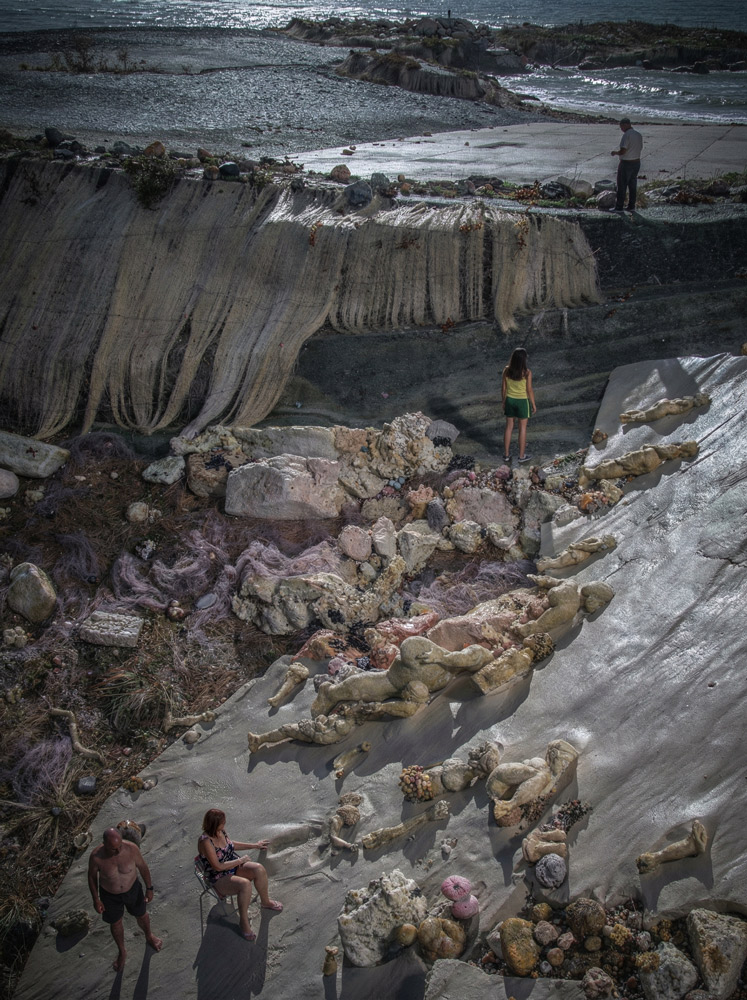
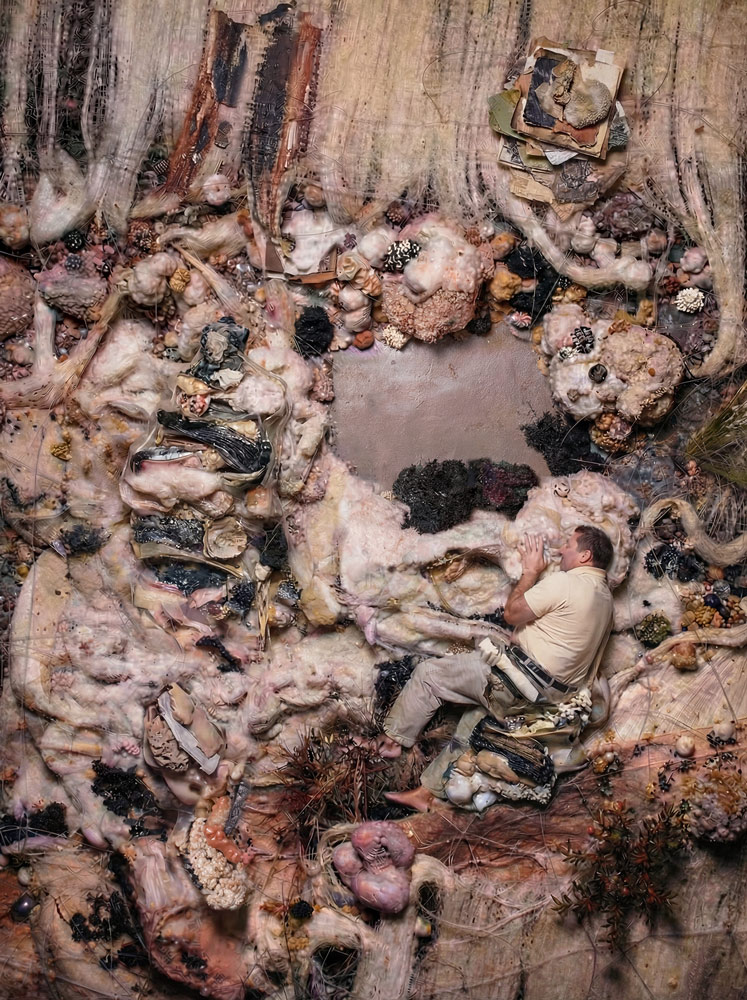
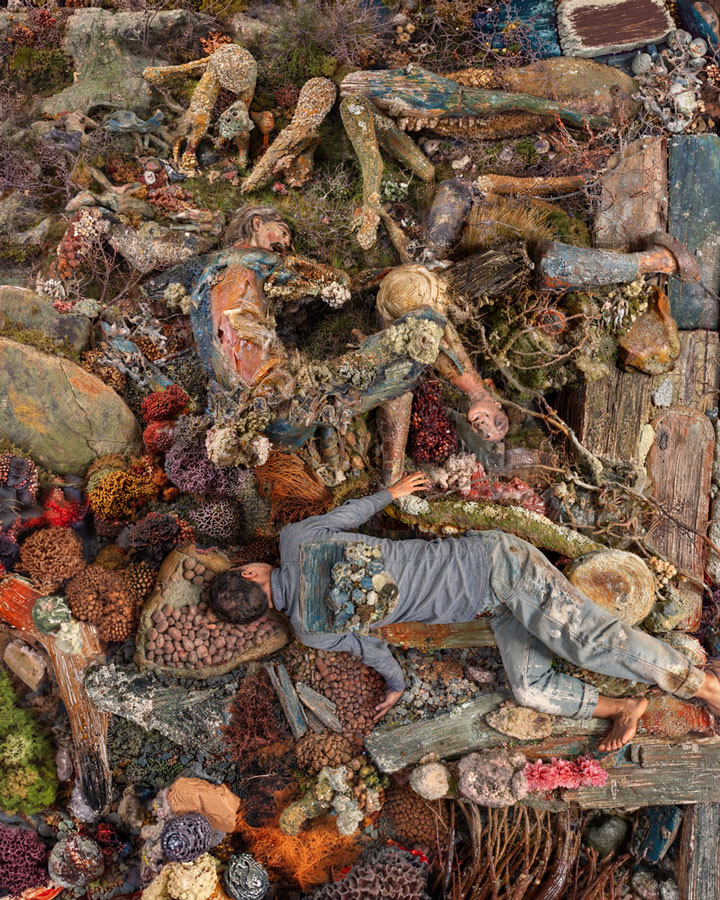
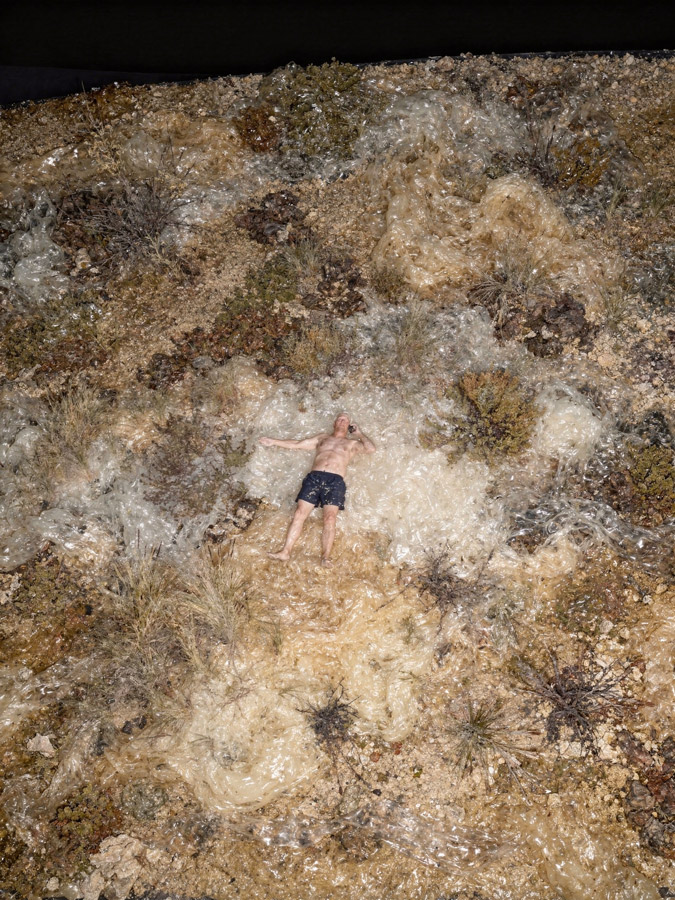
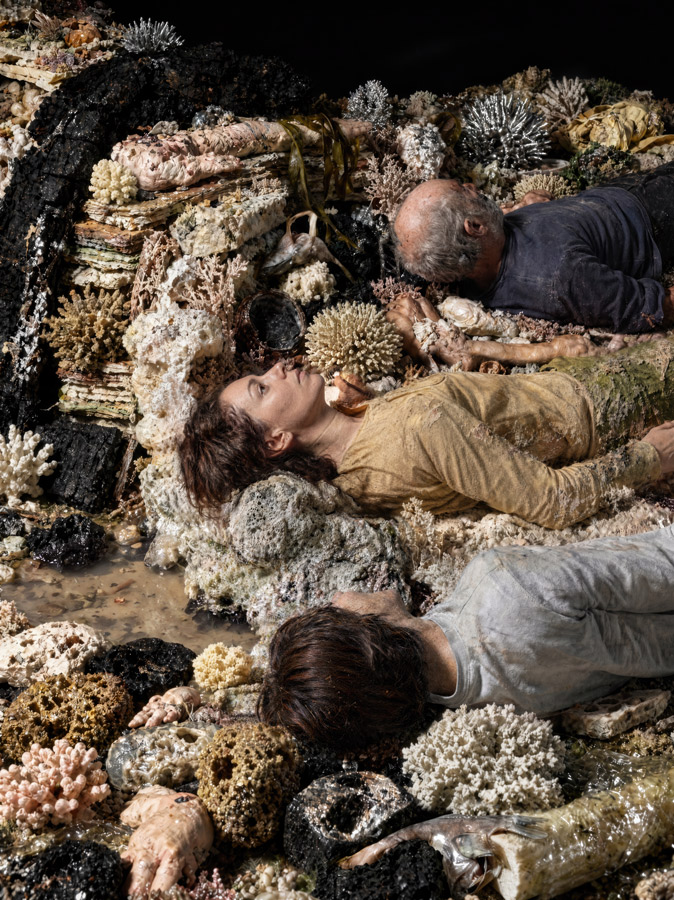
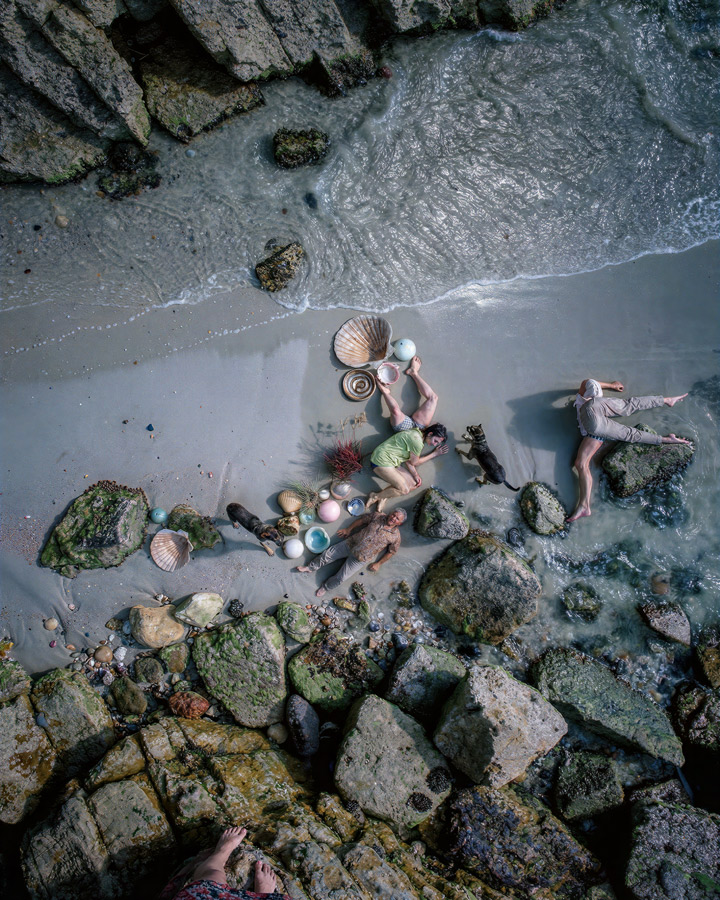
What kind of memory emerges when the archive no longer preserves but generates? What happens when landscape begins to behave like a database? Layers of rock and sediment are overlaid by other accumulations: image archives, datasets, predictive models, invisible but active strata.
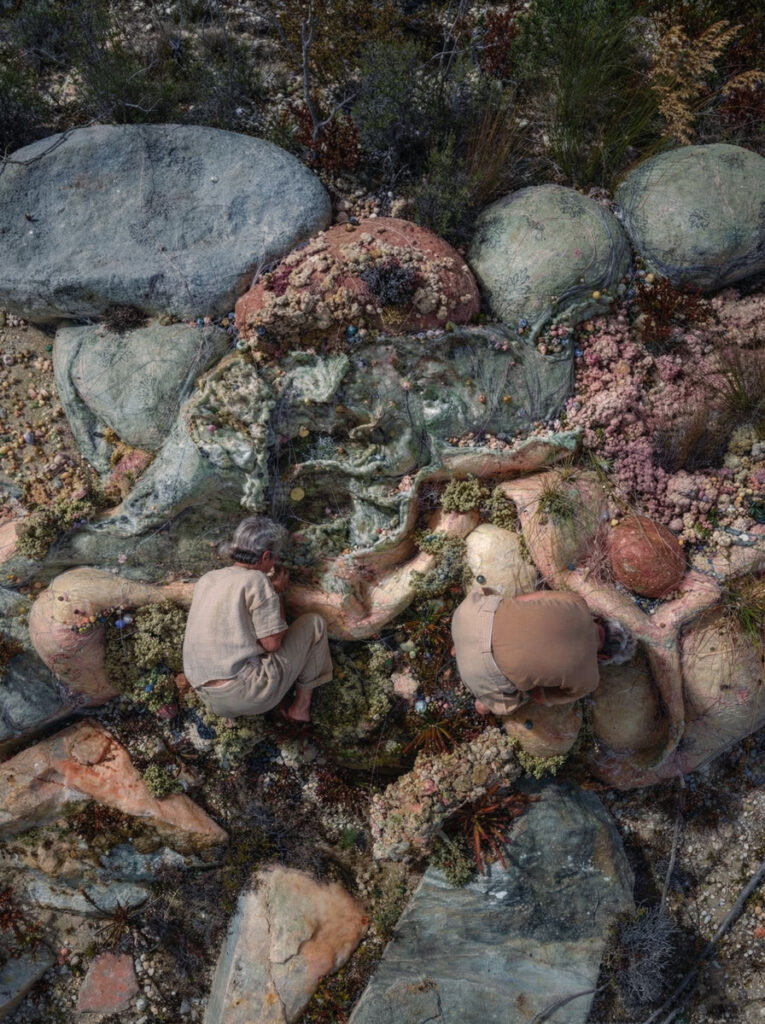
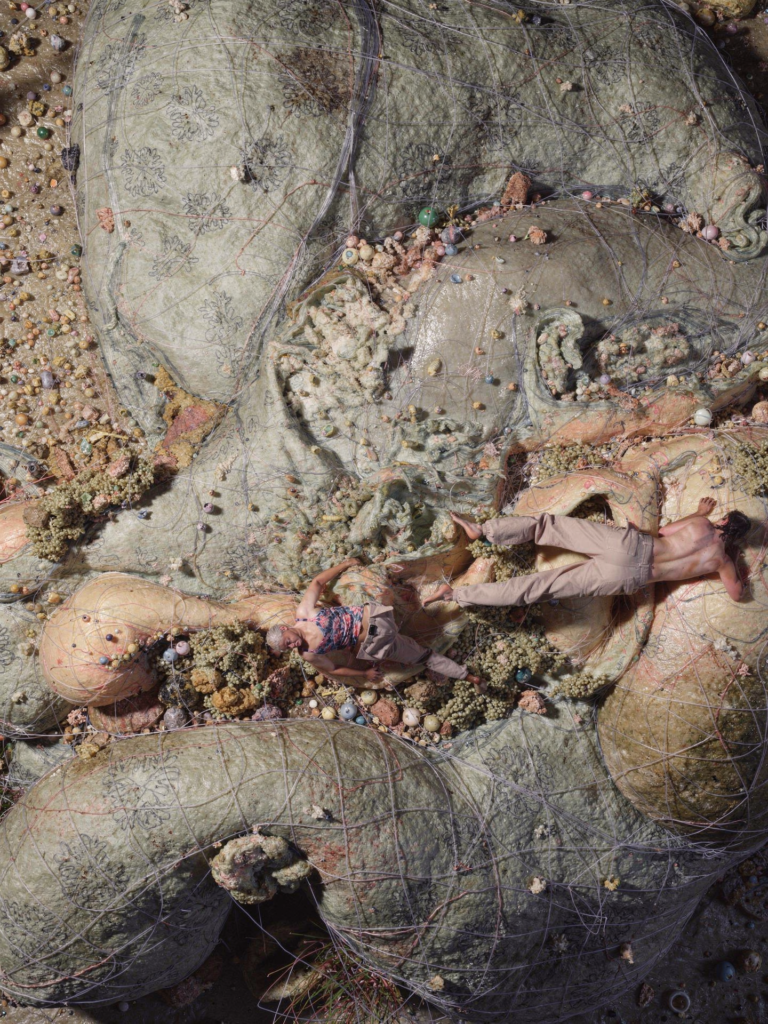
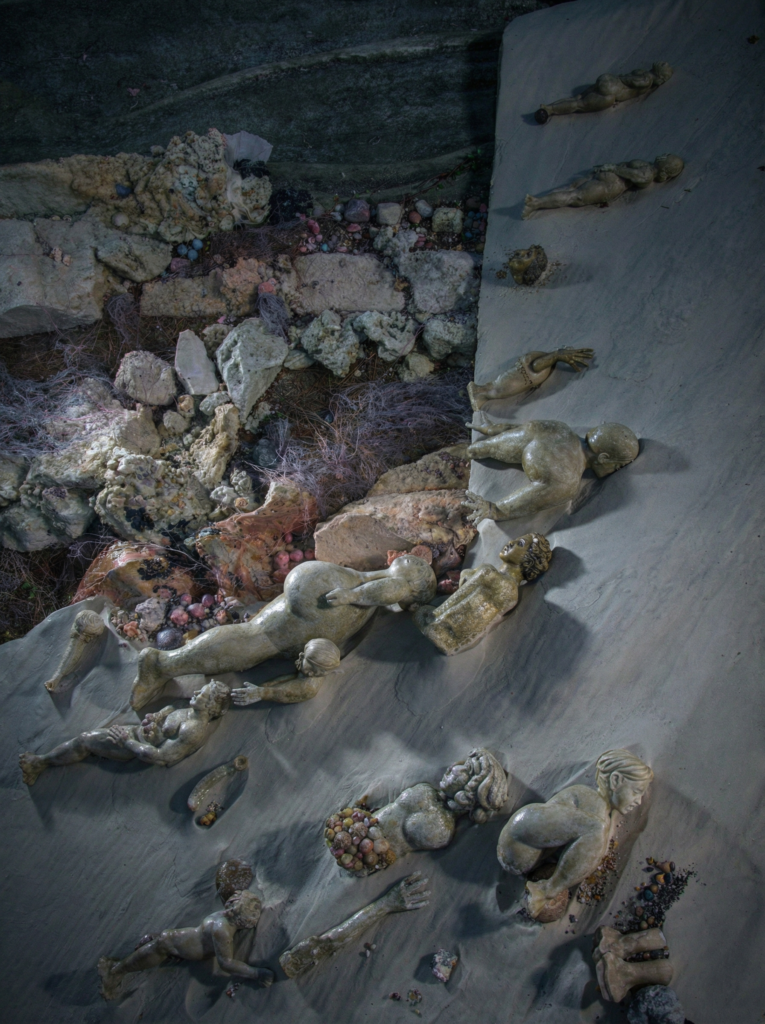
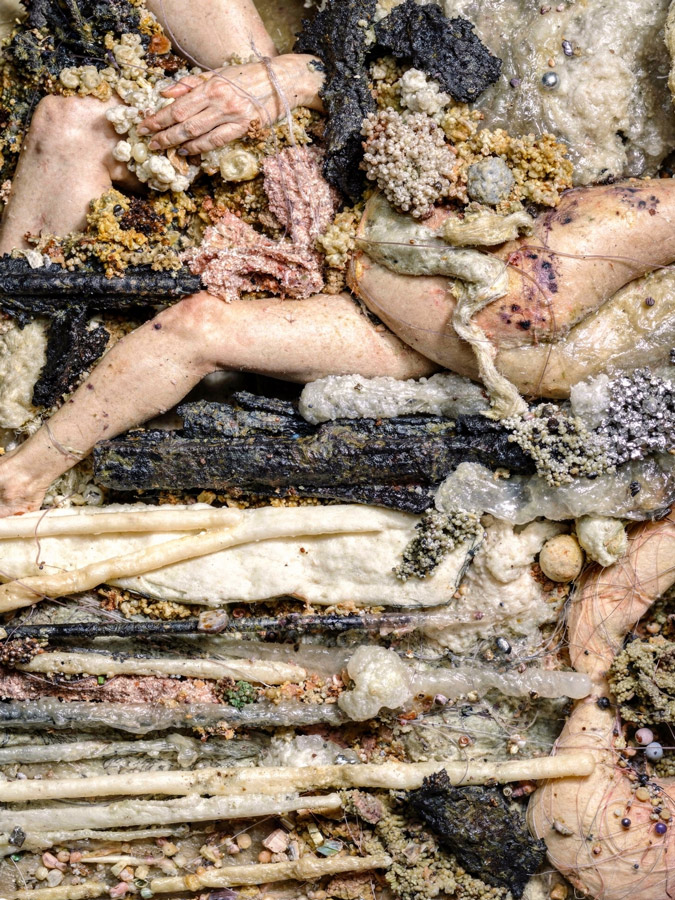
I work each area of the image through prompts and photo editing until the density of information unbalances it. What emerges is not transparency but a new kind of opacity. The human figure becomes a topographic accident, while the setting takes on an active presence. I am interested in the point at which systems designed to clarify, predict, and optimize begin instead to produce noise.
At times, a fragment detaches from the image and becomes a work in itself. Forms, gestures, and visual structures recur elsewhere, as if migrating through the series.